For water damage businesses, the cost of acquiring a customer is driven by two things: how many conversations it takes to close, and how much it costs to start each one. Water Damage live transfers attack both. This article explains how live transfers fit into a water damage acquisition strategy, what the process looks like end to end, and how to measure whether the program is working.
Where live transfers fit in the acquisition mix
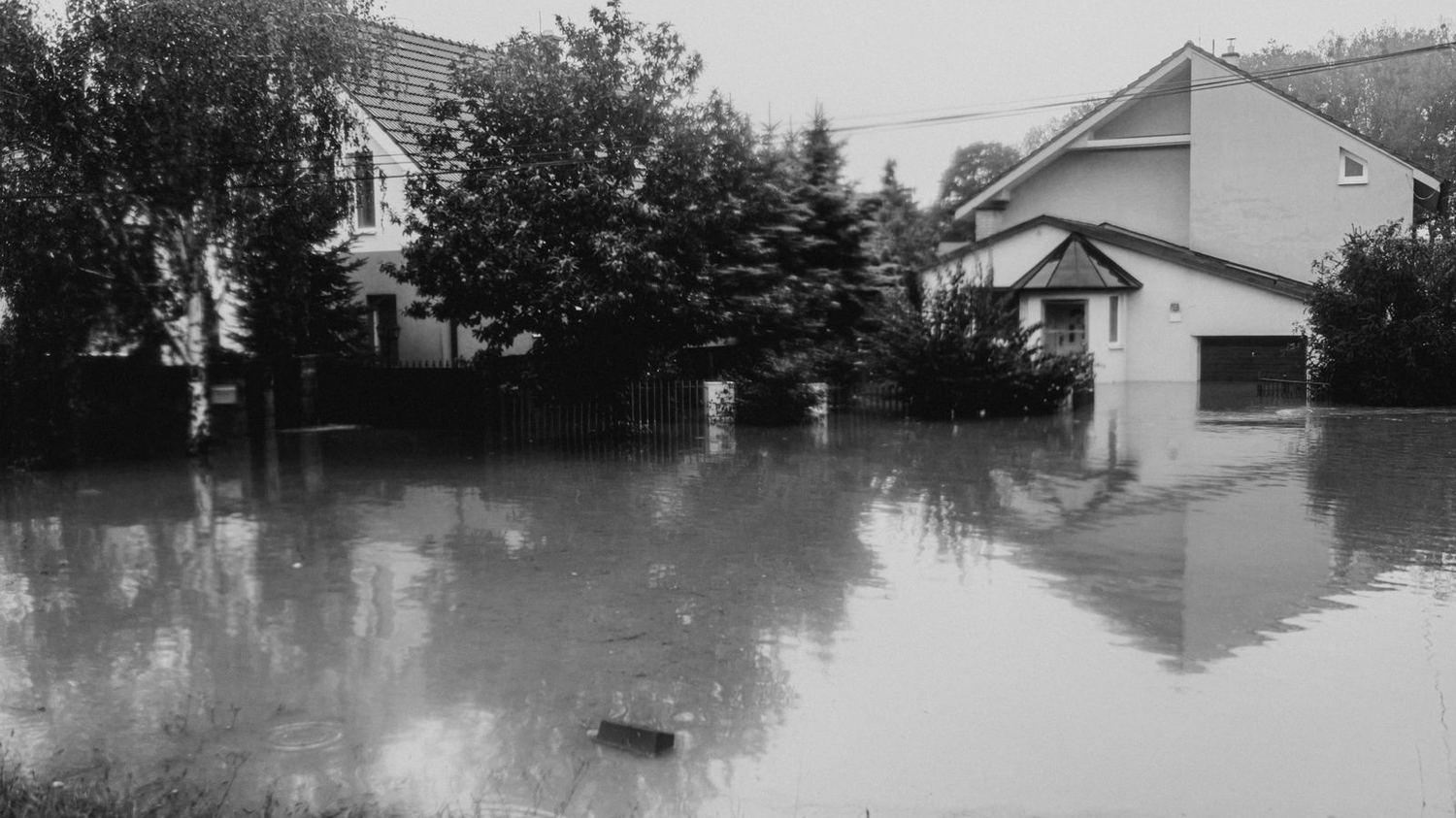
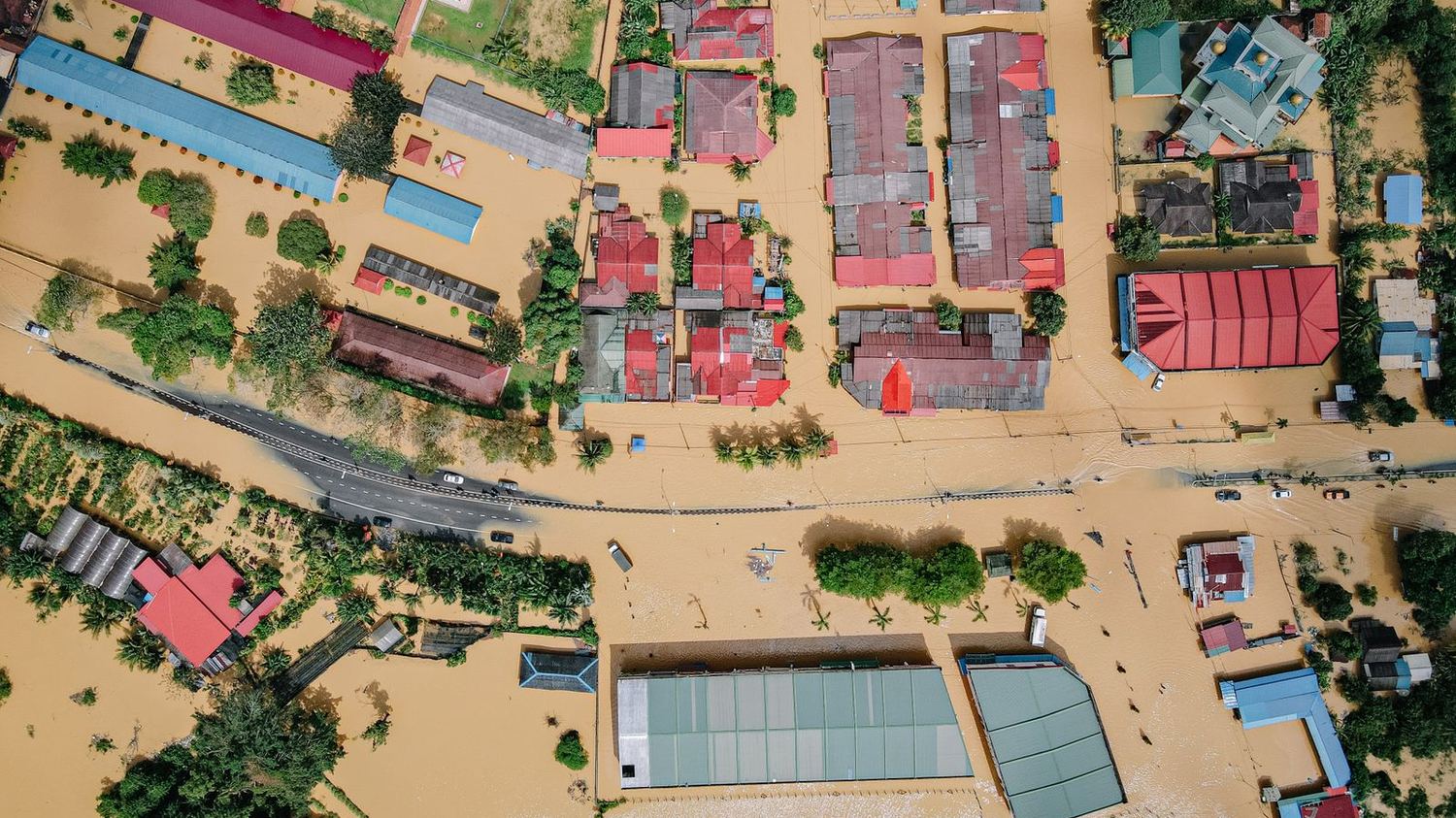
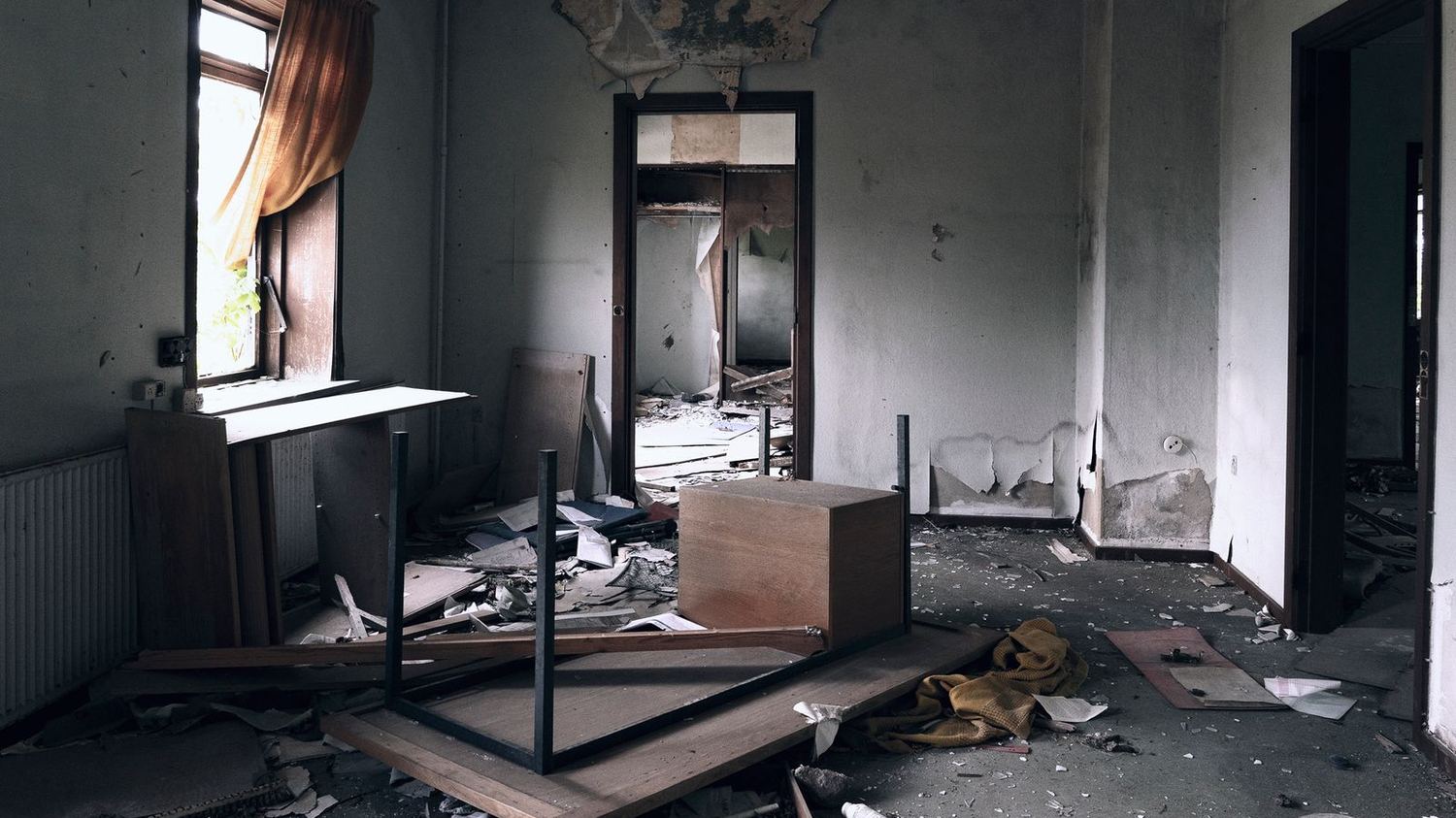
Live Transfers ensure that emergency crews are dispatched to jobs that fit. Our team confirms the property location is within the response area, verifies homeownership or management authority, captures the source and scope of the water damage and asks about insurance coverage before warm-transferring to the company's dispatcher. This screening removes out-of-area calls, minor incidents below the company's minimum and long-resolved events, while flagging insured losses that will likely include reconstruction. Dispatchers receive concise, actionable information and can commit to an arrival window on the call.
Most water damage businesses run some combination of referrals, organic search, paid media and purchased leads. Live Transfers sit at the high-intent end of that spectrum. The consumer has been spoken to, qualified and handed over while still engaged, which means your agent starts at the point of decision. That makes them particularly valuable for teams with limited agent capacity that need every conversation to count.
How the process works
- Traffic Acquisition. Performance campaigns generate water damage consumers with active interest across search, social and comparison channels.
- Consumer Interest. The consumer responds to a relevant offer and engages with our qualification team.
- Qualification. Our team confirms the consumer meets your water damage criteria and verifies key details where required.
- Live Connection. With the consumer still on the line, our agent bridges the call to your designated destination.
- Transfer to Client. Your agent takes over a warm, expecting consumer who has already confirmed interest and eligibility.
Each stage is configurable. Geography, schedule, qualification criteria and daily caps are set to your operation, and adjusted as results come in. Learn more on the Water Damage Live Transfers product page.
Qualification in practice
The criteria that matter for water damage programs usually include:
- Property located within the company's emergency response area
- Homeowner, property manager or authorised decision maker
- Source and approximate extent of water damage described
- Water intrusion is active or occurred recently, not a long-resolved event
- Homeowners insurance status and whether a claim is expected
- Requesting immediate or same-day service
For live transfers, our qualification team asks these questions directly and only transfers consumers who confirm eligibility. Verification steps can be added where the vertical requires them. The result is that your agents are not spending time on consumers who could never become customers.
Delivery and integration
Transfers are bridged to your designated number or queue with a warm introduction from our agent. Delivery runs only during your operating hours, with daily caps and a pause control you manage. Every transfer is logged with its source and qualification details. Programs can run alongside web leads and inbound calls from the same campaign infrastructure, giving you a single reporting view.
Measuring success
A water damage live transfer program should be judged on outcomes, not volume. The metrics that matter most are:
- Contact-to-conversation rate. The share of delivered live transfers that become a substantive sales conversation.
- Conversion rate. Conversations that become a policy, a booked job, a funded loan or a signed client, depending on your business.
- Cost per acquisition. Total program cost divided by customers won.
- Speed to conversion. How quickly a delivered consumer becomes a customer compared with other channels.
Because every live transfer is tracked to its source, underperforming campaigns can be adjusted or paused quickly, and the sources that produce customers can be scaled.
Getting started
Water damage is the most common homeowners insurance claim in the United States, and mitigation companies operate in a market shaped by insurer relationships, third-party administrator networks and rapid consolidation under national franchise brands. Aging plumbing, more intense rainfall events and the prevalence of finished basements have kept demand high year-round, with spikes during freezes and storms. Because the first company on site typically secures the mitigation and often the reconstruction work, response speed and 24/7 availability are decisive competitive factors, and direct customer acquisition reduces dependence on program work with compressed margins.
If your team is ready to take water damage live transfers, the next step is a short scoping conversation about your geography, criteria and capacity. Visit the Water Damage Live Transfers product page, compare it with Water Damage Inbound Calls, or explore the wider Home Services vertical.