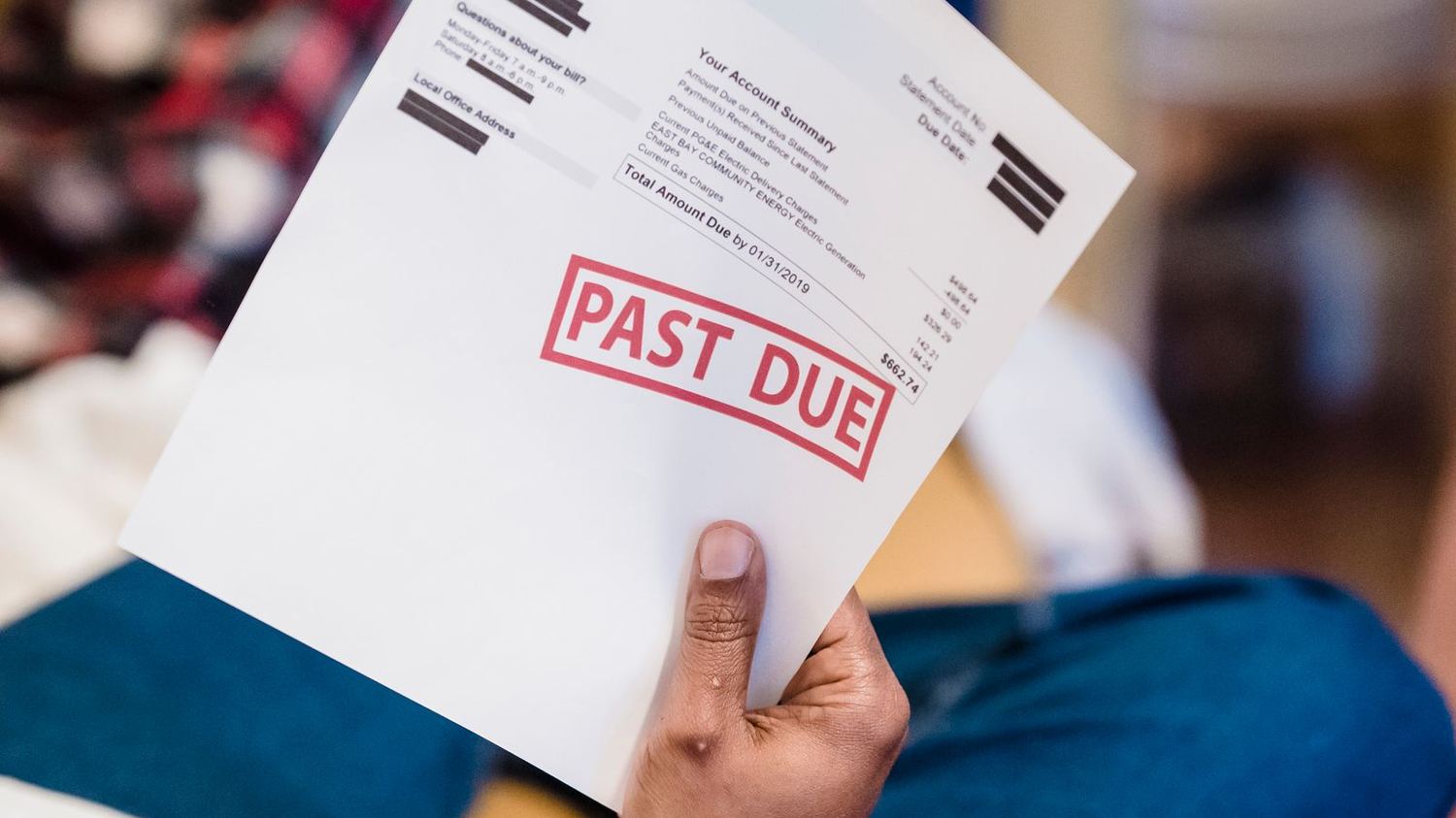
Consumer debt levels and delinquency rates have risen, and many households that leaned on credit through periods of inflation are now searching for structured relief. The debt relief industry operates under state licensing requirements and federal rules governing advance fees and marketing claims, and reputable providers place significant weight on consent documentation and accurate representation of program outcomes. Web leads are the primary acquisition channel because consumers research discreetly before speaking to anyone, while calls are essential for conversion because enrolment requires a detailed financial conversation. Providers that combine both channels acquire more efficiently than those relying on forms alone.
Understanding why a debt relief consumer reaches out is the foundation of any effective inbound call program. This article breaks down the triggers behind debt relief intent, the signals that separate a ready buyer from a casual researcher, and the qualification criteria buyers in the Web Leads vertical typically apply.
Who the debt relief consumer is
Adults aged 30 to 65 with unsecured debt well above what they can repay on current terms, often across several credit cards and medical accounts. The most valuable segments are consumers with debt above the provider's minimum who are behind or about to fall behind on payments, have steady income to fund a program, and are motivated to avoid bankruptcy.
Because this profile is specific, the campaigns that reach it must be specific too. Generic web leads messaging attracts a broad, low-converting audience. Messaging built around the exact situation of a debt relief consumer attracts people who need a solution now.
The triggers behind debt relief intent
Intent rarely appears from nowhere. It is triggered by a change in the consumer's circumstances. The most common debt relief triggers we see across campaigns are:
- Searching for debt relief programs, debt settlement or how to get out of credit card debt
- Carrying multiple credit card balances with only minimum payments being made
- Missed or late payments and receiving collection calls or letters
- Recent income disruption, medical event or divorce affecting finances
- Considering bankruptcy and looking for alternatives
- Denied a consolidation loan due to credit or debt-to-income ratio
Each of these moments opens a window in which the consumer is actively comparing options and willing to talk to a provider. The window is often short, which is why real-time delivery matters so much in this category.
Separating intent from research
Not every search is a buying signal. Consumers researching "debt relief programs" may be early in their journey, while someone searching "credit card debt relief" is usually much closer to a decision. An inbound call is itself a strong filter: the consumer has decided that the fastest route to a solution is a conversation.
Signals of high intent
- Urgency language such as "today", "now" or "near me"
- Specific product or situation terms rather than general category terms
- Engagement with a phone number or request-a-quote element
- A recent triggering event confirmed in conversation
Signals of low intent
- Purely informational queries with no product or location modifier
- Consumers outside your service geography or licensing footprint
- Requests that fall outside the product you actually offer
Qualifying debt relief consumers
Buyers in this market typically screen for the following before accepting a inbound call:
- Age 18 or older and a resident of a state where the provider is licensed to operate
- Total unsecured debt at or above the provider's minimum threshold
- Debt types confirmed as eligible, such as credit cards, medical bills or personal loans
- Current payment status and hardship described
- Source of income sufficient to fund a program
- Consent to be contacted captured and interest in a consultation confirmed
In an inbound call program these criteria are applied through campaign targeting, IVR prompts and duration thresholds, so that the calls reaching your agents are already filtered for geography and basic fit.
Why this matters for your acquisition program
When intent is understood and qualification is built around it, three things happen. Conversion rates rise because agents talk to consumers who are ready. Cost per acquisition falls because budget is not spent on researchers and out-of-footprint consumers. And the program becomes scalable, because the same intent model can be applied to new states, new segments and new channels.
Next steps
Consumers in financial distress often want to talk to someone right away once they decide to seek help. Inbound Call programs place debt relief messaging in front of consumers researching their options and invite them to call a specialist directly, complementing the web lead flow with prospects who are ready for a conversation now. Callers arrive with a sense of urgency and are usually prepared to discuss their balances and situation, which allows the provider's specialists to conduct a full consultation and, where appropriate, begin enrolment on the first call. Creative and scripts are written to avoid misleading claims about outcomes.
Explore the Debt Relief Inbound Calls product page for details on how the program is generated, qualified and delivered, or return to the Debt Relief overview to compare products.