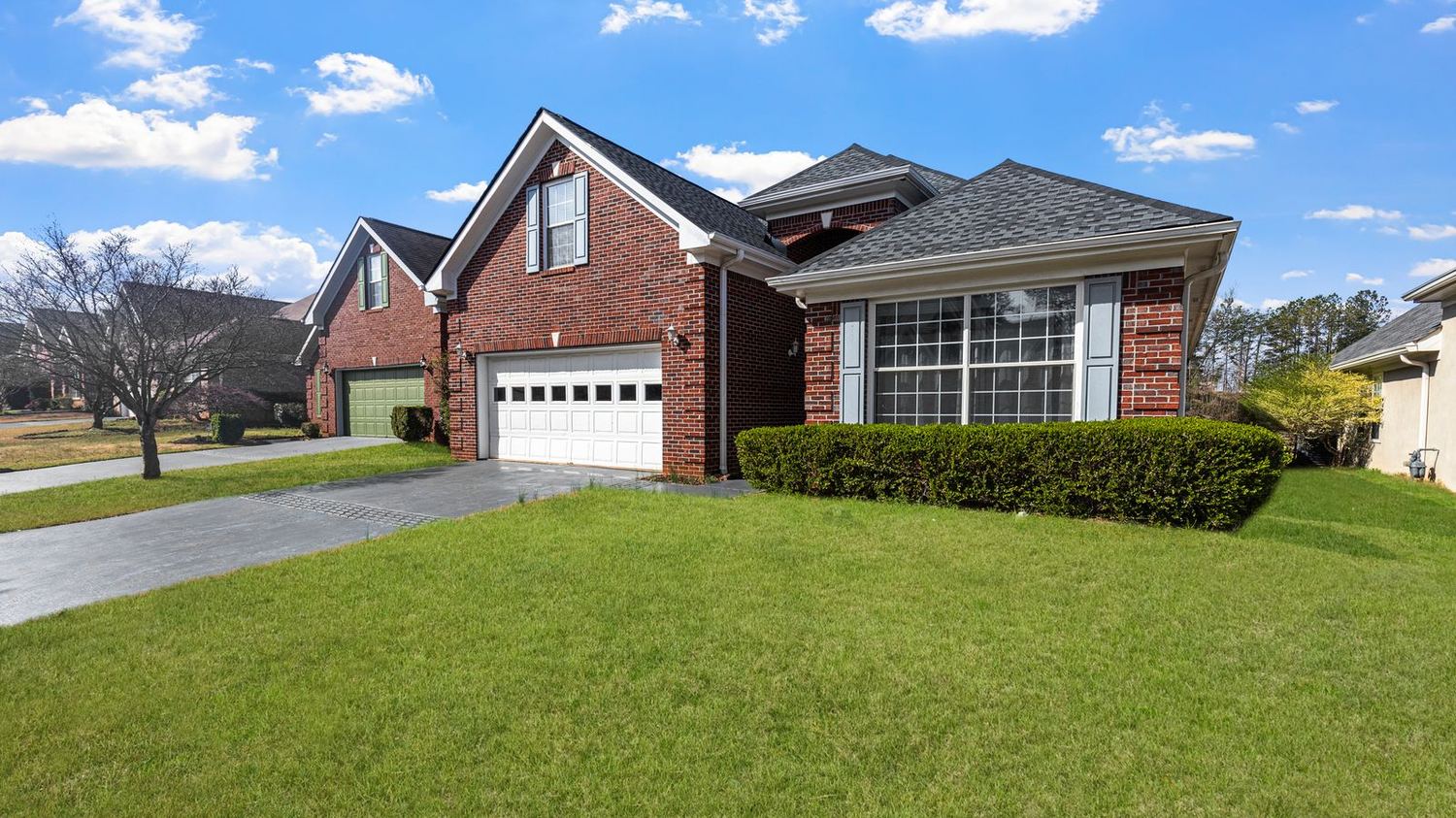
The homeowners insurance market has been reshaped by rising rebuilding costs, more frequent severe weather and carrier retrenchment in high-risk states. Premiums have climbed and many homeowners are receiving non-renewal notices for the first time, which has created an unusually large population of motivated shoppers who need help finding a carrier with appetite for their property. Independent agencies with access to multiple carriers and surplus lines markets are well positioned, and the ability to engage a homeowner quickly with an informed quote is a decisive competitive advantage.
Understanding why a home insurance consumer reaches out is the foundation of any effective inbound call program. This article breaks down the triggers behind home insurance intent, the signals that separate a ready buyer from a casual researcher, and the qualification criteria buyers in the Insurance vertical typically apply.
Who the home insurance consumer is
Homeowners and buyers under contract who need to place or replace coverage on a primary residence, second home or rental property. The most valuable segments are recent purchasers with a closing date, homeowners facing renewal increases or non-renewal, and those bundling home and auto to reduce total premium.
Because this profile is specific, the campaigns that reach it must be specific too. Generic insurance messaging attracts a broad, low-converting audience. Messaging built around the exact situation of a home insurance consumer attracts people who need a solution now.
The triggers behind home insurance intent
Intent rarely appears from nowhere. It is triggered by a change in the consumer's circumstances. The most common home insurance triggers we see across campaigns are:
- Searching for homeowners insurance quotes or rate comparisons
- Under contract on a home purchase with a closing date approaching
- Renewal notice received with a significant premium increase
- Non-renewed or dropped by current carrier
- Recently completed a major renovation, roof replacement or addition
- Looking to bundle home and auto policies with one carrier
Each of these moments opens a window in which the consumer is actively comparing options and willing to talk to a provider. The window is often short, which is why real-time delivery matters so much in this category.
Separating intent from research
Not every search is a buying signal. Consumers researching "homeowners insurance quotes" may be early in their journey, while someone searching "cheap homeowners insurance" is usually much closer to a decision. An inbound call is itself a strong filter: the consumer has decided that the fastest route to a solution is a conversation.
Signals of high intent
- Urgency language such as "today", "now" or "near me"
- Specific product or situation terms rather than general category terms
- Engagement with a phone number or request-a-quote element
- A recent triggering event confirmed in conversation
Signals of low intent
- Purely informational queries with no product or location modifier
- Consumers outside your service geography or licensing footprint
- Requests that fall outside the product you actually offer
Qualifying home insurance consumers
Buyers in this market typically screen for the following before accepting a inbound call:
- Owns or is closing on a residential property in a state the buyer writes
- Property type, approximate age and construction confirmed
- Roof age and condition within the carrier's acceptable range
- Current coverage status and reason for shopping stated
- No recent unresolved claims that would exclude the risk
- Policy decision maker interested in a quote today
In an inbound call program these criteria are applied through campaign targeting, IVR prompts and duration thresholds, so that the calls reaching your agents are already filtered for geography and basic fit.
Why this matters for your acquisition program
When intent is understood and qualification is built around it, three things happen. Conversion rates rise because agents talk to consumers who are ready. Cost per acquisition falls because budget is not spent on researchers and out-of-footprint consumers. And the program becomes scalable, because the same intent model can be applied to new states, new segments and new channels.
Next steps
Homeowners insurance quotes depend on property details that are cumbersome to enter online, and consumers facing a closing deadline or a non-renewal want answers fast. Inbound Call programs let homeowners call a licensed agent directly after seeing a home insurance offer, arriving with a clear reason to shop and the information about their property at hand. Agents can gather roof age, construction type and prior claims in a single conversation and often bind coverage on the same call, which is particularly valuable for buyers who must deliver proof of insurance to a lender.
Explore the Home Insurance Inbound Calls product page for details on how the program is generated, qualified and delivered, or return to the Home Insurance overview to compare products.