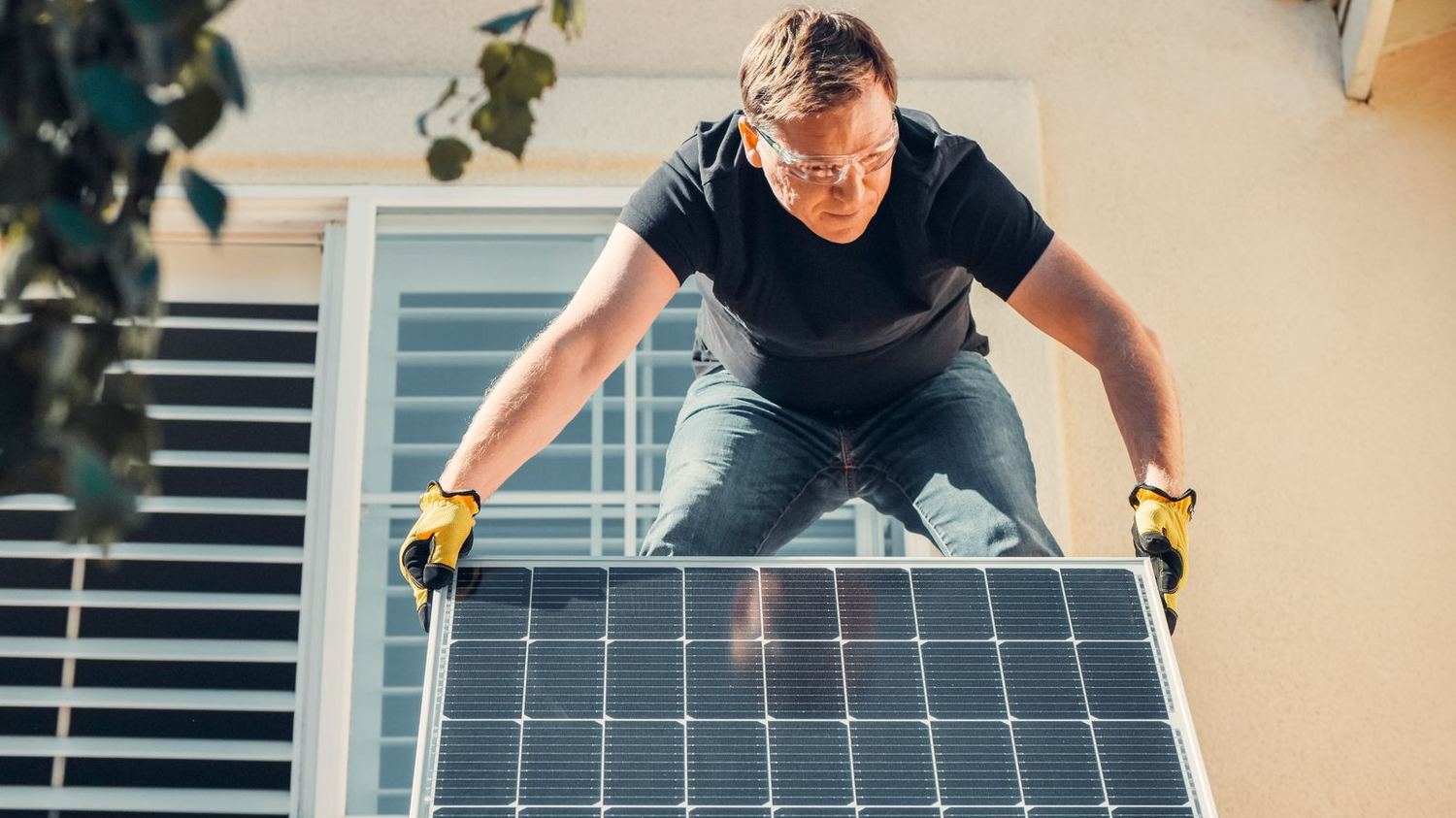
Residential solar has matured into a mainstream home improvement category, though it has passed through cycles of rapid growth and consolidation as financing conditions, net metering policies and incentive structures have shifted. Rising utility rates continue to support homeowner interest, and battery storage has become a central part of the value proposition in states with time-of-use pricing or grid reliability concerns. Consumers are increasingly informed and wary of high-pressure sales, which rewards installers that lead with transparent consultations. Qualification quality matters more than volume in solar, because site suitability and credit determine whether a lead can ever become an installation.
Understanding why a solar consumer reaches out is the foundation of any effective inbound call program. This article breaks down the triggers behind solar intent, the signals that separate a ready buyer from a casual researcher, and the qualification criteria buyers in the Home Services vertical typically apply.
Who the solar consumer is
Owners of single-family homes with suitable roofs and meaningful monthly electricity bills, typically in states with strong sun exposure, high utility rates or favourable incentive programs. The most valuable segments are homeowners with high bills and good credit, households considering an electric vehicle or heat pump, and residents of outage-prone areas interested in battery backup.
Because this profile is specific, the campaigns that reach it must be specific too. Generic home services messaging attracts a broad, low-converting audience. Messaging built around the exact situation of a solar consumer attracts people who need a solution now.
The triggers behind solar intent
Intent rarely appears from nowhere. It is triggered by a change in the consumer's circumstances. The most common solar triggers we see across campaigns are:
- Searching for solar panel cost, solar companies near me or solar tax credit
- Electricity bill has increased noticeably in recent months
- Researching home battery backup after power outages
- Neighbours or friends recently installed solar
- Planning to buy an electric vehicle or electrify home heating
- Received a utility notice about rate increases or time-of-use pricing
Each of these moments opens a window in which the consumer is actively comparing options and willing to talk to a provider. The window is often short, which is why real-time delivery matters so much in this category.
Separating intent from research
Not every search is a buying signal. Consumers researching "solar panels for home cost" may be early in their journey, while someone searching "solar tax credit" is usually much closer to a decision. An inbound call is itself a strong filter: the consumer has decided that the fastest route to a solution is a conversation.
Signals of high intent
- Urgency language such as "today", "now" or "near me"
- Specific product or situation terms rather than general category terms
- Engagement with a phone number or request-a-quote element
- A recent triggering event confirmed in conversation
Signals of low intent
- Purely informational queries with no product or location modifier
- Consumers outside your service geography or licensing footprint
- Requests that fall outside the product you actually offer
Qualifying solar consumers
Buyers in this market typically screen for the following before accepting a inbound call:
- Owns a single-family home in a state and utility territory the installer serves
- Roof is owned outright and in suitable condition, not a shared or HOA-restricted roof where prohibited
- Monthly electricity bill meets the installer's minimum threshold
- Credit profile expected to qualify for financing, or ability to purchase outright
- Roof has limited shading and adequate usable area
- Willing to schedule a consultation or site assessment
In an inbound call program these criteria are applied through campaign targeting, IVR prompts and duration thresholds, so that the calls reaching your agents are already filtered for geography and basic fit.
Why this matters for your acquisition program
When intent is understood and qualification is built around it, three things happen. Conversion rates rise because agents talk to consumers who are ready. Cost per acquisition falls because budget is not spent on researchers and out-of-footprint consumers. And the program becomes scalable, because the same intent model can be applied to new states, new segments and new channels.
Next steps
Solar is complex enough that many homeowners prefer to ask questions before they book a site visit. Inbound Call programs place solar offers in front of homeowners researching panels, incentives and battery storage and invite them to call an installer directly. Callers arrive with genuine curiosity and usually with their utility bill in mind, giving consultants the chance to explain savings, financing and the installation process and to schedule an in-home or virtual consultation. This channel is well suited to installers with knowledgeable phone teams and a consultative sales approach.
Explore the Solar Inbound Calls product page for details on how the program is generated, qualified and delivered, or return to the Solar overview to compare products.