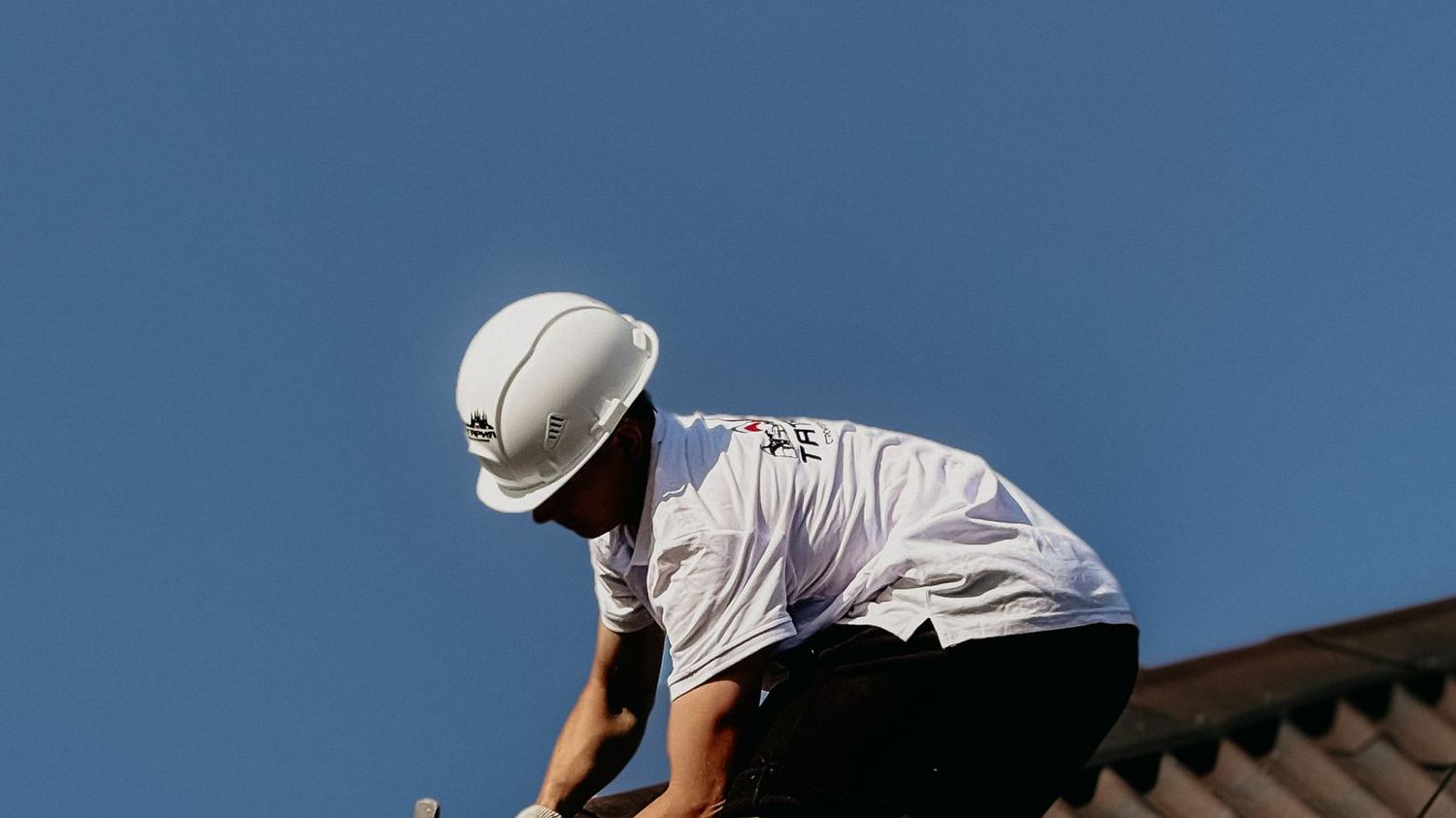
Roofing has become one of the most valuable home services categories for customer acquisition because ticket sizes are large and a significant share of replacements are funded by insurance claims. Severe convective storms have grown more frequent and costly across the central and southern United States, creating concentrated bursts of demand that well-prepared contractors can capture. At the same time, insurers have tightened underwriting on roof age, pushing many homeowners to replace proactively. Material costs and labour availability have kept margins under pressure, which rewards contractors who acquire qualified appointments efficiently rather than chasing every inquiry.
Understanding why a roofing consumer reaches out is the foundation of any effective inbound call program. This article breaks down the triggers behind roofing intent, the signals that separate a ready buyer from a casual researcher, and the qualification criteria buyers in the Home Services vertical typically apply.
Who the roofing consumer is
Owners of single-family homes with roofs approaching or past their expected service life, and homeowners in regions recently affected by hail, wind or hurricane events. The most valuable segments are full replacement candidates, storm damage claimants working with their insurer, and homeowners whose carrier has required a roof replacement to maintain coverage.
Because this profile is specific, the campaigns that reach it must be specific too. Generic home services messaging attracts a broad, low-converting audience. Messaging built around the exact situation of a roofing consumer attracts people who need a solution now.
The triggers behind roofing intent
Intent rarely appears from nowhere. It is triggered by a change in the consumer's circumstances. The most common roofing triggers we see across campaigns are:
- Searching for roofing contractors or roof replacement cost
- Active leak or water stains on ceilings after rain
- Recent hail, wind or hurricane event in the area
- Missing, curling or granule-shedding shingles observed
- Insurance carrier requiring roof replacement or inspection to renew coverage
- Home inspection during a sale flagged the roof's condition
Each of these moments opens a window in which the consumer is actively comparing options and willing to talk to a provider. The window is often short, which is why real-time delivery matters so much in this category.
Separating intent from research
Not every search is a buying signal. Consumers researching "roofing contractors near me" may be early in their journey, while someone searching "roof repair near me" is usually much closer to a decision. An inbound call is itself a strong filter: the consumer has decided that the fastest route to a solution is a conversation.
Signals of high intent
- Urgency language such as "today", "now" or "near me"
- Specific product or situation terms rather than general category terms
- Engagement with a phone number or request-a-quote element
- A recent triggering event confirmed in conversation
Signals of low intent
- Purely informational queries with no product or location modifier
- Consumers outside your service geography or licensing footprint
- Requests that fall outside the product you actually offer
Qualifying roofing consumers
Buyers in this market typically screen for the following before accepting a inbound call:
- Owns a single-family or small multi-family property within the service area
- Roof type and approximate age identified
- Nature of the need established as repair, replacement or storm damage inspection
- Whether an insurance claim has been or will be filed
- Homeowner available to schedule an on-site inspection or estimate
- Not currently under contract with another roofing company
In an inbound call program these criteria are applied through campaign targeting, IVR prompts and duration thresholds, so that the calls reaching your agents are already filtered for geography and basic fit.
Why this matters for your acquisition program
When intent is understood and qualification is built around it, three things happen. Conversion rates rise because agents talk to consumers who are ready. Cost per acquisition falls because budget is not spent on researchers and out-of-footprint consumers. And the program becomes scalable, because the same intent model can be applied to new states, new segments and new channels.
Next steps
A homeowner watching water drip through a ceiling, or looking at shingles scattered across the lawn after a storm, wants to speak to a roofer immediately. Inbound Call programs place local roofing offers in front of these homeowners and connect them directly to the contractor's office, where staff can schedule an inspection while urgency is highest. In storm-affected markets, inbound programs can be activated within days of an event to reach homeowners before out-of-town crews saturate the area, and calls arrive with the homeowner already expecting an inspection appointment.
Explore the Roofing Inbound Calls product page for details on how the program is generated, qualified and delivered, or return to the Roofing overview to compare products.