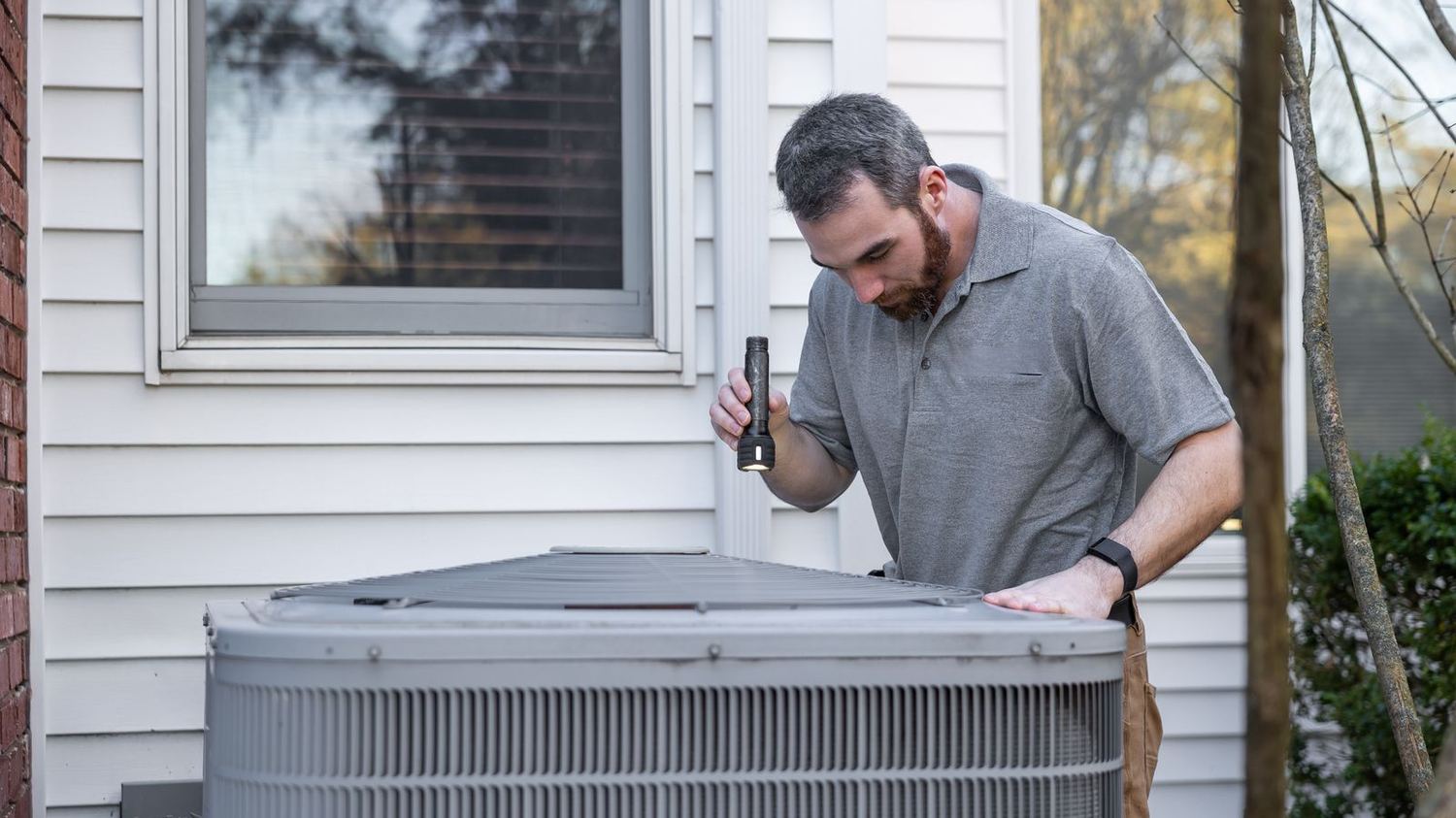
The residential HVAC industry is one of the most actively consolidated home services categories, with national platforms competing against strong regional independents for replacement business that carries substantial ticket values. Federal and utility incentives for high-efficiency and heat pump systems have expanded the replacement conversation, while refrigerant regulation changes have prompted many homeowners to replace rather than repair older equipment. Demand peaks sharply with the first extreme weather of each season, and contractors that can capture and convert calls during those windows fill their installation calendars for weeks.
Understanding why a hvac consumer reaches out is the foundation of any effective live transfer program. This article breaks down the triggers behind hvac intent, the signals that separate a ready buyer from a casual researcher, and the qualification criteria buyers in the Home Services vertical typically apply.
Who the hvac consumer is
Homeowners in single-family homes with central heating and cooling systems, particularly those with equipment more than ten years old. The highest-value segments are homeowners facing a system replacement, households seeking financing for a new installation, and owners in extreme-climate regions where a failed system creates immediate urgency.
Because this profile is specific, the campaigns that reach it must be specific too. Generic home services messaging attracts a broad, low-converting audience. Messaging built around the exact situation of a hvac consumer attracts people who need a solution now.
The triggers behind hvac intent
Intent rarely appears from nowhere. It is triggered by a change in the consumer's circumstances. The most common hvac triggers we see across campaigns are:
- Searching for AC repair, furnace repair or HVAC company near me
- Air conditioner or furnace has stopped working or is not maintaining temperature
- System is more than ten to fifteen years old and repairs are becoming frequent
- Researching new AC unit cost, heat pump installation or HVAC financing
- Utility bills rising sharply due to inefficient equipment
- Preparing a home for sale or purchase and needing system replacement
Each of these moments opens a window in which the consumer is actively comparing options and willing to be connected to a provider. The window is often short, which is why real-time delivery matters so much in this category.
Separating intent from research
Not every search is a buying signal. Consumers researching "AC repair near me" may be early in their journey, while someone searching "furnace repair" is usually much closer to a decision. A live transfer program adds a human filter: our team speaks with the consumer and confirms the need is real before any connection is made.
Signals of high intent
- Urgency language such as "today", "now" or "near me"
- Specific product or situation terms rather than general category terms
- Engagement with a phone number or request-a-quote element
- A recent triggering event confirmed in conversation
Signals of low intent
- Purely informational queries with no product or location modifier
- Consumers outside your service geography or licensing footprint
- Requests that fall outside the product you actually offer
Qualifying hvac consumers
Buyers in this market typically screen for the following before accepting a live transfer:
- Property located within the contractor's service area
- Homeowner or authorised decision maker for the property
- Type of need identified as repair, replacement, installation or maintenance
- Single-family or multi-unit property type confirmed
- Interest in scheduling a service call or in-home estimate
- For replacement inquiries, openness to financing or a stated budget range
In a live transfer program our qualification team confirms each criterion with the consumer before the transfer, so your agents receive only consumers who match.
Why this matters for your acquisition program
When intent is understood and qualification is built around it, three things happen. Conversion rates rise because agents talk to consumers who are ready. Cost per acquisition falls because budget is not spent on researchers and out-of-footprint consumers. And the program becomes scalable, because the same intent model can be applied to new states, new segments and new channels.
Next steps
Live Transfers help HVAC contractors focus their highest-value resources on the right opportunities. Our team confirms the service address, homeownership, system type and whether the need is repair or replacement before warm-transferring to the contractor, so replacement-minded homeowners can be routed to comfort advisors while repair calls go to dispatch. Screening also removes renters, out-of-area callers and those seeking only a second opinion on a quote, which protects CSR and technician time during the busiest weeks of the year.
Explore the HVAC Live Transfers product page for details on how the program is generated, qualified and delivered, or return to the HVAC overview to compare products.